

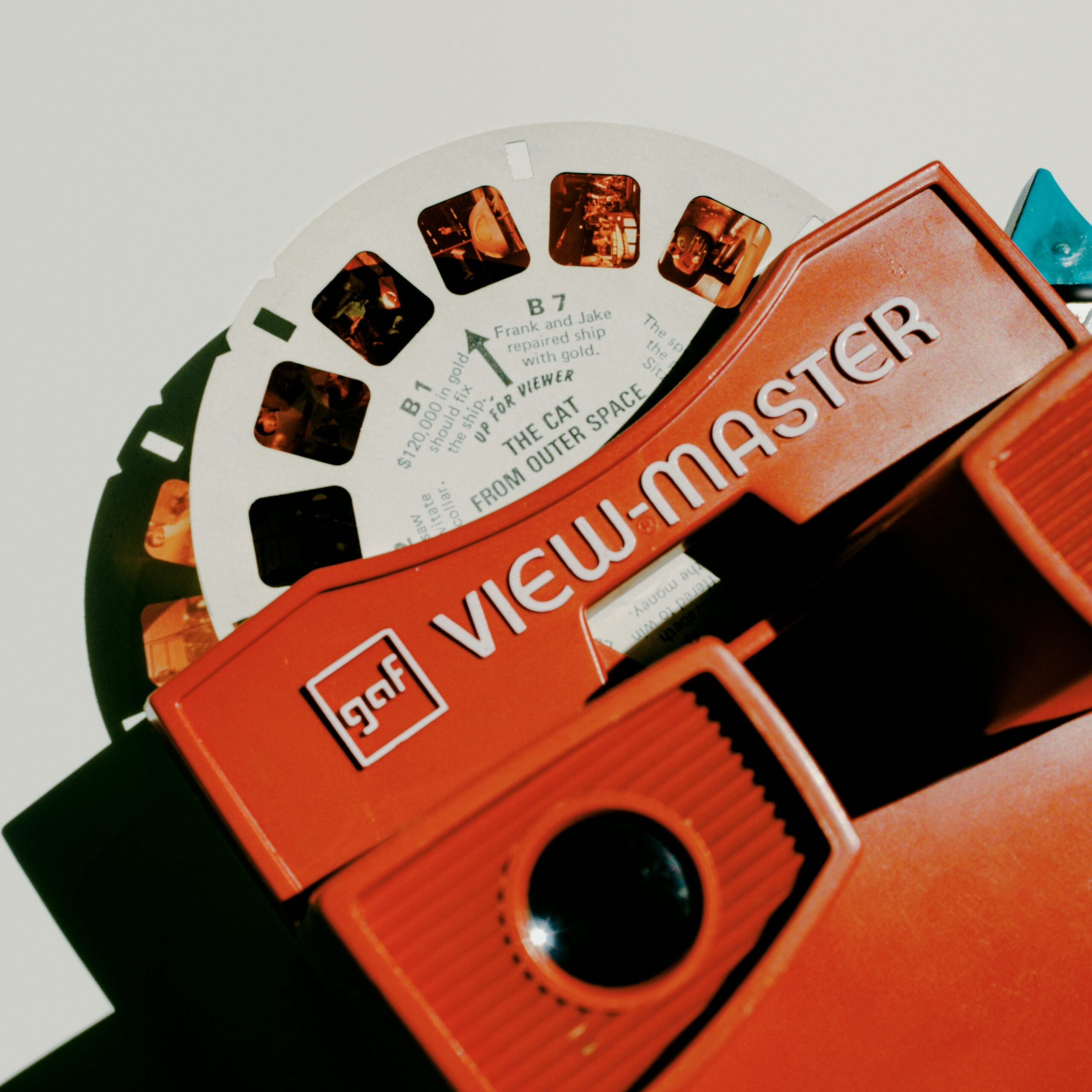
In recent years, certain things have made a resounding comeback. As mentioned in a previous ArticleFlip phones have become fashionable again. But they’re not alone: vinyl records, film cameras, handwritten letters, and even remixes of old songs are also making a comeback.
This wave is no accident. It is driven by a powerful feeling: nostalgia.
An article I highly recommend is called « Defining Nostalgia and Its Function » by Jimmy Andersson. It helps us better understand what nostalgia is and how it works.
So what exactly is nostalgia?
The word comes from Greek – and more precisely from The Odyssey of Homer. It is the combination of Nostos (the return) and algos (pain), in other words psychological suffering linked to the desire to return home.
For centuries, nostalgia was considered a medical or psychiatric illness, particularly in military and medical literature from the 17th to the 19th centuries.
Today, she is recognized as a normal and universal emotional experience, shared by all cultures and generations.
The different types of nostalgia
(Yes, there are several!)
- Personal nostalgia – A lack of one’s own past.
- Historical/social nostalgia – An attachment to an era we never knew.
- Simulated nostalgia – Triggered by movies, stories or music from another era.
- Collective nostalgia – Shared by a generation, a group or a culture.
- Geographical nostalgia – The lack of a specific location.
- Institutionalized nostalgia – Traditions, rituals, religious or cultural festivals.
Triggers that rekindle nostalgia:
- Music – Especially lyrics associated with youth, love, and memorable memories.
- The smells – Among the most powerful memory triggers.
- Items – Toys, vintage objects, retro decor, old packaging…
- The social context – Family reunions, parties, shared rituals.
And concretely, what does this mean for hotels and restaurants?
If you are a hotelier or restaurateur, these different forms of nostalgia — and their triggers — can become real marketing levers to stand out and attract new customers.
Some concrete ideas to apply:
- Personal nostalgia
If a guest returns to your establishment, try to awaken their memories: the same room, a dish they loved, a photo from their last stay, a little personalized note… Use a signature scent in the hotel to create a unique olfactory imprint. - Historical/social nostalgia
Immerse your guests in another era. Offer decor, cocktails, outfits, or a menu inspired by the 20s, 70s, or 90s. Turn your hotel into a time capsule. - Simulated nostalgia
Host movie nights featuring cult films and childhood classics. Create a “video club” atmosphere with popcorn, vintage posters, and more. - Collective nostalgia
In a children’s playroom, include vintage toys, books, and games so parents can share memories with their children. Play music from your target audience’s teenage years. Use paper menus, old-school placemats, and more. - Geographical nostalgia
Create unforgettable moments that will become memories rooted in a place: the first gourmet dinner, the first spa experience, the first time a guest finds chocolate on their pillow. Offer “firsts” that are remembered. - Institutionalized nostalgia
Respect local traditions, dietary habits, and cultural schedules. This creates a sense of grounding and authenticity.
And now ?
It exists a thousand ways – small or large – to integrate nostalgia in your customer experience.
✨ Which one will you try?
🙅♂️ Which one doesn’t fit your concept?
📣 Tell us what you think, what you tried, and if you have any other ideas for topics to cover in a future article.
We look forward to your feedback!


